
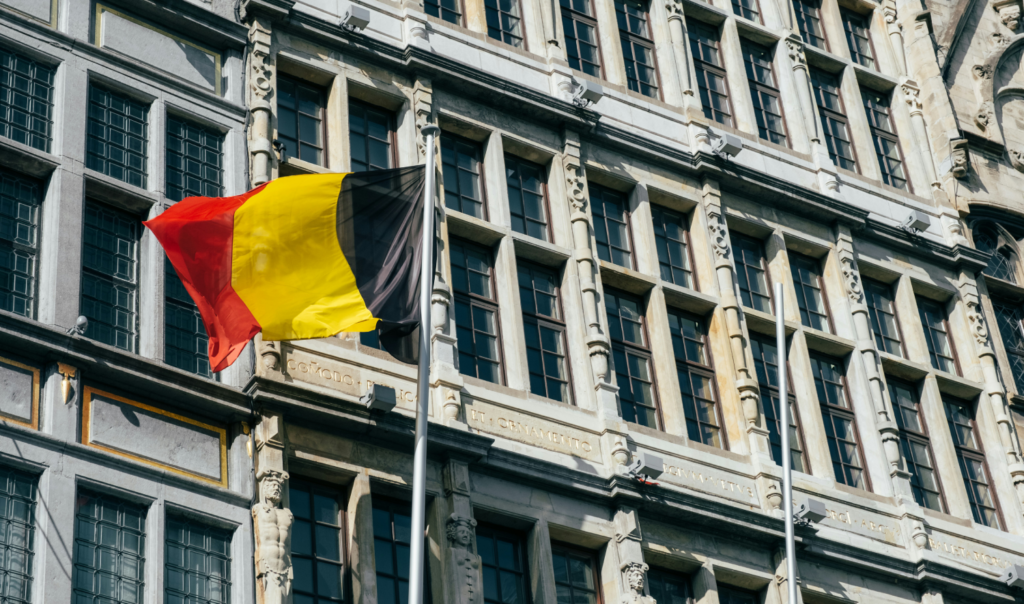
Belgium’s gambling regulator has warned betting operators not to use the 2026 FIFA World Cup as an excuse to push aggressive marketing campaigns, stressing that the country’s strict advertising laws will remain fully enforced throughout the tournament.
The warning was issued by Belgium’s Gaming Commission, the Kansspelcommissie, which said it will closely monitor gambling advertising, bonus offers and football-related sponsorship activity during one of the busiest betting periods of the year.
According to the regulator, operators must continue to comply with Articles 60 and 61 of Belgium’s Gambling Act. Article 60 prohibits bonuses and player inducements, while Article 61 restricts gambling advertising unless it falls within limited exceptions outlined in Belgium’s Royal Decree on gambling marketing.
The Commission specifically highlighted that free bets, cashback offers, loyalty rewards, retention schemes and other incentives aimed at attracting or keeping customers remain banned. It also warned that promotions tied to player behaviour or time-limited campaigns could breach the rules.
Belgian authorities made clear that no special treatment or relaxation of standards will be granted during the World Cup despite the expected surge in betting activity across Europe.
The regulator also addressed gambling promotion on social media, noting that interaction features such as likes, comments and shares should be disabled wherever possible. Calls encouraging users to engage with gambling-related posts are also prohibited, while sponsored gambling advertisements on social platforms remain effectively banned.
Belgium has continued tightening restrictions around gambling visibility in sport over the past year. Since January 2025, gambling logos have been banned from the front of sports jerseys, while branding at stadiums has also faced tighter limitations. Similar front-of-shirt restrictions are set to come into force in the English Premier League from the 2026/27 season.
The Commission additionally warned operators against trying to bypass regulations through fan websites or affiliate-style informational platforms, stating that such channels could still be classified as gambling advertising under Belgian law.
The move comes as regulators across Europe increase pressure on the gambling industry ahead of the World Cup. Belgium pointed to similar recent warnings issued by the Dutch regulator, Kansspelautoriteit (KSA), as authorities seek to reduce gambling exposure linked to football.
Despite the tougher stance, Belgium recently reported progress in player protection efforts. A study by Sciensano found that only 2.6% of Belgian players display risky gambling behaviour, while 0.6% are considered at high risk of problem gambling. However, the same research showed that more than half of the Belgian population is exposed to gambling advertising every week, something regulators appear keen to reduce before the World Cup begins.