
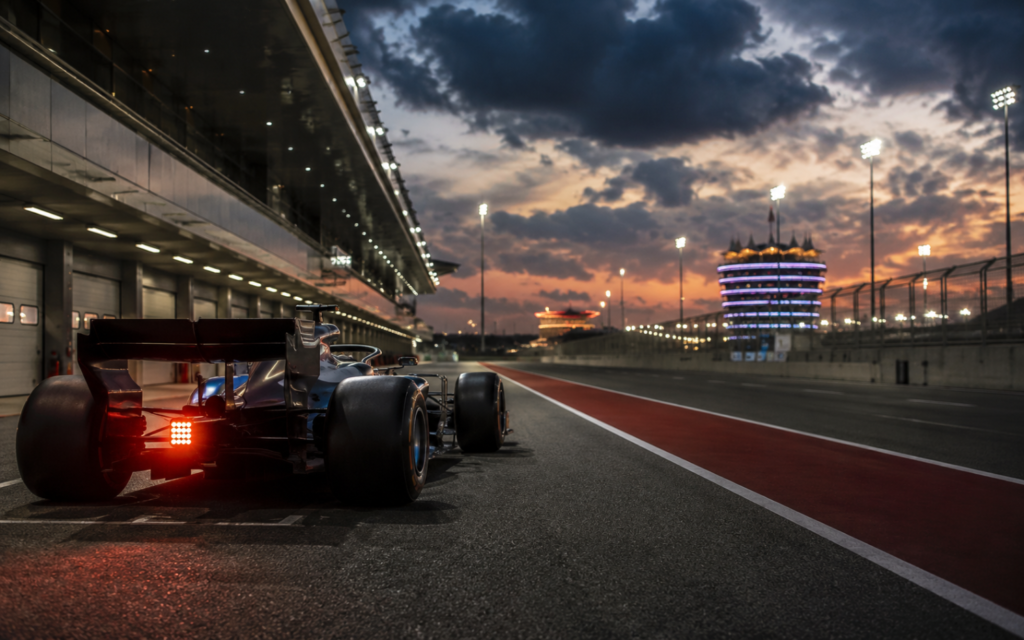
Formula 1 is prepared to move the final rounds of the 2026 season back to Europe if ongoing instability in the Middle East prevents the championship from finishing in Qatar and Abu Dhabi, according to F1 president Stefano Domenicali.
The current calendar still includes the Qatar and Abu Dhabi Grands Prix as the final two races of the year, with both events already sold out. However, Domenicali said a final decision on whether they can proceed will be made by the middle of September, depending on the security situation.
If the championship cannot travel to the region, Formula 1 intends to conclude the season in Europe rather than seek an alternative destination elsewhere. While Domenicali did not identify a replacement venue, Italy’s Imola circuit is considered the leading candidate.
The Middle East conflict has already forced the cancellation of the Bahrain and Saudi Arabian Grands Prix, originally scheduled for April. Malaysia has since been added to the calendar in September as a replacement for Bahrain, ensuring the championship still reaches 21 races required under commercial agreements.
Despite meeting those contractual obligations, F1 wants to maintain another race after the Las Vegas Grand Prix, which is scheduled for 21 November. Domenicali dismissed the idea of staging a second race in Las Vegas, saying it would reduce the value of the event while also competing directly with the NFL for American audiences.
Looking ahead to 2027, Bahrain is expected to return as the season opener after two years in Australia. Domenicali said the calendar due to be released later this year will follow the normal schedule, but contingency plans are already in place if tensions in the Middle East continue. Formula 1 still aims to stage a full 24-race championship regardless of any changes.
The F1 chief also defended the sport’s new power units, introduced this season with an even split between internal combustion and electric power. Several drivers, including Fernando Alonso, Max Verstappen and Lando Norris, have criticised the regulations, arguing that the need to recharge batteries limits flat-out driving and changes the character of high-speed corners.
Domenicali, however, believes fans have responded positively to the on-track action and are more interested in the racing than the technical details behind energy management. He acknowledged that planned adjustments over the next two seasons to reduce the impact of energy recovery are beneficial for the sport but encouraged drivers to raise concerns through internal discussions rather than public criticism.
Attention is also turning to Formula 1’s next generation of engine regulations, expected to arrive in 2030 or 2031. FIA president Mohammed Ben Sulayem has advocated a return to naturally aspirated V8 engines and has indicated the governing body could introduce new rules independently once current commercial agreements expire in 2030.
Domenicali said discussions with teams and manufacturers are progressing well and that Formula 1 expects to present a framework for the next engine formula before the end of the year. The objective is to create lighter cars powered by sustainable fuels while retaining meaningful electrification and giving drivers greater freedom to push at full pace.
Engine manufacturers are reportedly open to a V8 configuration, although Mercedes and Audi are understood to favour keeping turbochargers as part of the future package. Current discussions are said to be moving in that direction, with a significant electrical component also expected to remain to preserve the technology’s relevance for road cars.