
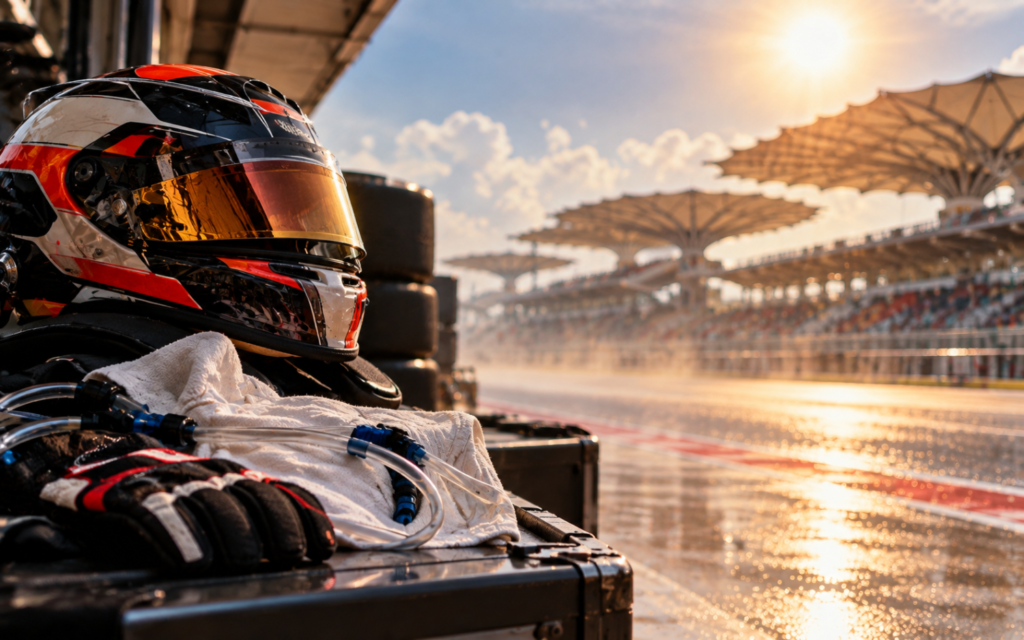
Formula 1 has classified this weekend’s Bahrain Grand Prix at Malaysia’s Sepang circuit as a heat-hazard race, marking the third time the designation has been applied during the 2026 season.
The status is triggered when forecasts indicate temperatures could exceed 31C at some stage of the race. Conditions at Sepang are expected to reach around 31-33C across the weekend, with high humidity and a possibility of rain each day.
Located near Kuala Lumpur and close to the equator, Sepang has long been regarded as one of Formula 1’s most physically demanding venues because of its combination of heat and humidity.
The Malaysian event is being used to stage the Bahrain Grand Prix after the original April race was postponed because of the war in the Middle East. Organisers are planning several Bahrain-themed activities throughout the weekend to maintain the identity of the Gulf state’s race.
Under the heat-hazard regulations, drivers are permitted to use an in-car cooling system that circulates chilled liquid, including substances such as glycol, through tubes incorporated into a fireproof top beneath their race suits.
Drivers are not required to use the system. However, anyone opting against it must carry an additional 5kg of ballast in the car to prevent a performance advantage from avoiding the equipment.
The Bahrain/Malaysia weekend follows the Austrian and Italian Grands Prix in receiving heat-hazard status this season.
Formula 1 introduced the designation in 2025 after the development of the current cooling-vest technology. The system has not been universally popular, with some drivers finding it uncomfortable and concerns remaining about the coolant supply lasting an entire race.
If the cooling liquid runs out, it can eventually warm to the temperature inside the car, potentially making the system uncomfortable rather than beneficial.
Cockpit temperatures in Formula 1 cars can rise above 40C. Combined with several layers of fire-resistant clothing, a balaclava and helmet, those conditions can create significant heat stress for drivers during a full-length grand prix.