
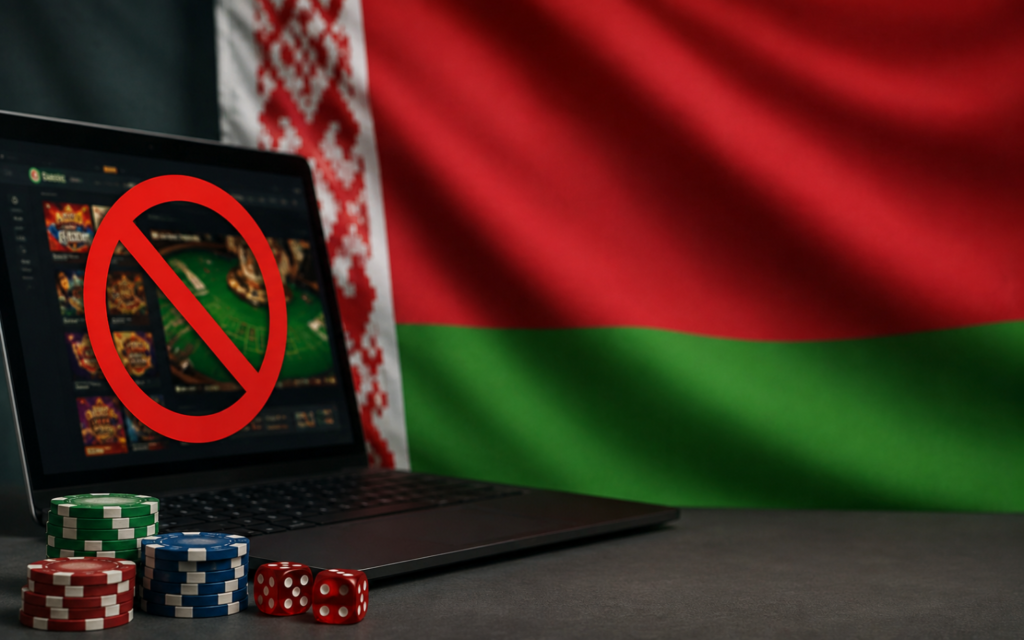
Belarus is considering a major tightening of gambling advertising rules, with new legislation proposing a broad ban on online promotions for casinos, betting, lotteries and other gambling products.
The draft amendments have been prepared by the Ministry of Antimonopoly Regulation and Trade (MART) and submitted to relevant authorities for review. The proposal would amend Belarus’ existing advertising law and significantly reduce the channels operators can use to market gambling services.
Under the plan, internet advertising would be prohibited for lotteries, gambling and electronic interactive games, as well as for physical and virtual gambling establishments. The legislation includes limited exceptions, although the full scope of those exemptions has not yet been detailed publicly.
The restrictions would extend beyond digital advertising. Gambling promotions on vehicles would also face a ban, while operators would no longer be permitted to use images of people or animals in advertising campaigns.
Marketing materials would additionally be prohibited from promoting bonuses that can be used to place bets. These measures are intended to reduce the visibility and attractiveness of gambling products and strengthen safeguards around potentially harmful gambling behaviour.
Belarus already imposes several restrictions on gambling advertising. Casino and gambling promotions cannot be placed on educational or medical buildings, sports facilities, media aimed at minors, or publications focused on healthcare and education. Gambling venue advertising on television and radio is currently restricted to the period between 9pm and 7am.
The latest initiative follows growing concern over the prominence of gambling marketing in Belarus. An earlier MART-backed survey found gambling and lottery advertising among the forms of commercial promotion that generated the strongest negative reaction from respondents.
If approved, the reforms would place Belarus among a growing number of European jurisdictions that have sharply reduced the ability of gambling companies to advertise through mainstream and digital channels.
For now, the measures remain at draft stage, meaning the final restrictions and their implementation timetable will depend on the legislative approval process.