
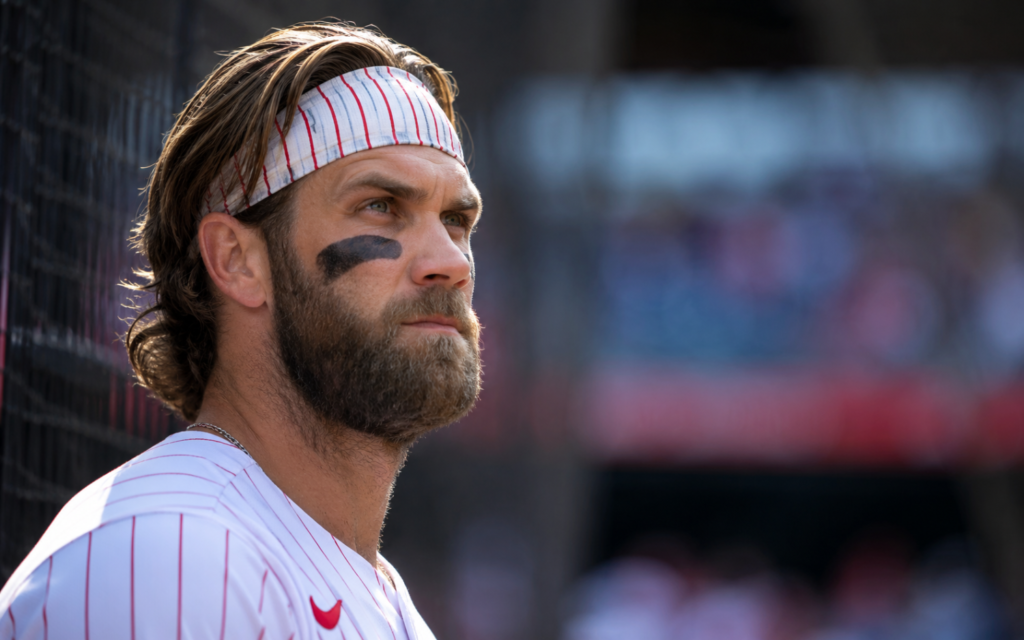
Three US lawmakers are pressing Major League Baseball and its players’ union to strengthen restrictions on sportsbook promotions after Philadelphia Phillies star Bryce Harper appeared in a personalized video sent to a FanDuel VIP customer who later alleged that gambling losses had left him in severe financial distress.
Senator Richard Blumenthal of Connecticut and Representatives Paul Tonko of New York and Valerie Foushee of North Carolina wrote to MLB Commissioner Rob Manfred and MLB Players Association interim executive director Bruce Meyer on August 10. They called for changes to policies that currently allow players to have certain commercial relationships with betting companies.
The dispute centers on Terry Thompson, a FanDuel customer who received a personalized Harper video in late 2024. According to the lawmakers, Thompson wagered about $18.5 million through FanDuel and lost more than $1.5 million, while his gambling problems contributed to substantial financial difficulties. The message was arranged through Cameo by Thompson’s FanDuel VIP host.
Harper has denied knowingly taking part in a FanDuel promotion. He said the Cameo request appeared to be a personal holiday greeting and that he did not know the recording would later carry FanDuel branding or be used in connection with the sportsbook’s VIP program. Harper also said he has no affiliation with FanDuel and would not have recorded the message had he understood its intended use.
Thompson filed a lawsuit in March against FanDuel, his VIP host, DraftKings, the NFL and Genius Sports. The case alleges that sportsbook practices contributed to his gambling addiction and losses of approximately $2 million. FanDuel has previously said its staff receive training to identify signs of problem gambling and that the company continues to strengthen its consumer-protection policies.
The lawmakers argue that the episode highlights a wider weakness in baseball’s gambling rules. MLB players can participate in sportsbook promotions under certain conditions, although league rules restrict players from promoting betting on baseball and impose limitations on the commercial use of their image and likeness. Congress members want MLB and the MLBPA to go further by preventing personalized player marketing from being used within sportsbook VIP and loyalty programs.
Their letter asks MLB and the union to explain whether current sportsbook endorsement rules adequately protect fans, whether players will receive more education about gambling-related promotions and whether personalized campaigns connected to VIP customers will be prohibited. The lawmakers also want assurances that consumer protection will take priority over revenue generated from betting partnerships.
The issue comes as MLB and the MLBPA prepare for negotiations over their next collective bargaining agreement, adding gambling partnerships and player endorsements to a wider debate over how closely professional baseball should be connected to the legal betting industry.
MLB and the MLBPA have been asked to respond to the lawmakers’ questions by August 24.