
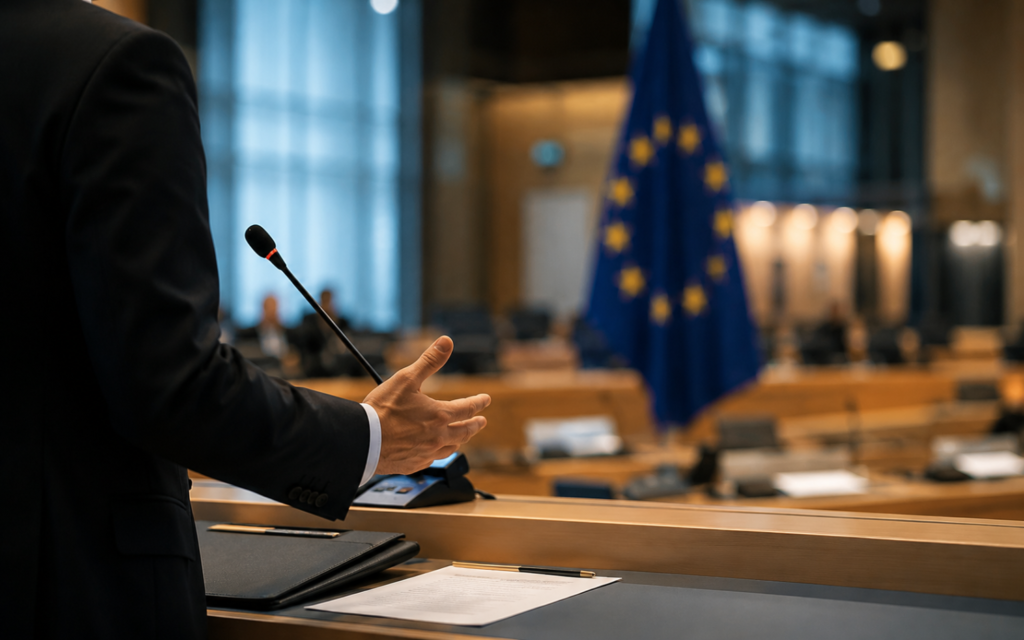
A Maltese member of the European Parliament has warned that introducing a European Union-wide ban on online gambling advertising could have the opposite effect of what lawmakers intend, arguing it may push more players towards illegal gambling websites instead of improving consumer protection.
The warning came from Peter Agius during a European Parliament petition hearing that examined a proposal calling for a complete ban on gambling advertising across the EU. The petition, submitted by a Cypriot citizen, highlighted the widespread visibility of gambling promotions on social media, billboards and other advertising channels, raising concerns about their impact on vulnerable groups such as minors, older people and individuals recovering from gambling addiction.
While supporting efforts to protect young people and reduce gambling-related harm, Agius questioned whether a blanket advertising ban would achieve those objectives. He argued that restricting licensed operators’ ability to advertise could instead encourage consumers to use unregulated platforms that operate without age verification, responsible gambling measures or player protection systems.
Agius also stressed that gambling regulation remains largely the responsibility of individual EU member states, while the European Union’s role is mainly focused on tackling misleading and aggressive advertising practices rather than setting gambling policy itself.
To support his position, Agius referred to a 2023 study commissioned by France’s gambling regulator, l’Autorité Nationale des Jeux (ANJ), and carried out by Strategy&, part of PwC. According to the research, problem gambling was found among 66% of customers using illegal gambling operators, compared with 22% of players on licensed platforms. He argued these findings demonstrate that strong regulation, rather than broad advertising bans, offers better protection through mandatory safeguards, responsible gambling tools and ongoing player monitoring.
The debate comes as European countries continue to take different approaches to gambling advertising. Several jurisdictions have tightened marketing rules, while others maintain more flexible frameworks. At the same time, concerns over illegal gambling continue to grow.
Recent examples include legal action by the Dutch gambling association VNLOK against Meta over the spread of illegal gambling advertisements on Facebook and Instagram. Estimates suggest unlicensed operators accounted for more than 95% of gambling-related adverts shown on the platforms during the final quarter of 2025.
Industry representatives have increasingly argued that excessive advertising restrictions risk weakening channelisation, making it harder for licensed operators to attract players while giving illegal operators a greater opportunity to expand. Similar concerns have been raised in Germany and the Netherlands, where stricter regulations have coincided with growth in unlicensed gambling activity.