
Stakelogic BV has agreed to pay £122,835 in lieu of a financial penalty after an investigation by the UK Gambling Commission found that a number of its online slot games failed to comply with mandatory minimum spin speed requirements.
The regulator’s review began after Stakelogic notified the Commission that its Tiger Temple 88 slot had been operating with a spin interval of 1.97 seconds, below the UK-mandated minimum of 2.5 seconds. The game was affected between 28 and 30 May 2025.
Following the initial disclosure, the Commission expanded its investigation to examine the supplier’s wider game portfolio. The review identified 15 additional slot titles that also breached the 2.5-second minimum spin interval at various points between October 2021 and October 2025. The timing discrepancies ranged from as little as 0.001 seconds to as much as 0.675 seconds below the required threshold.
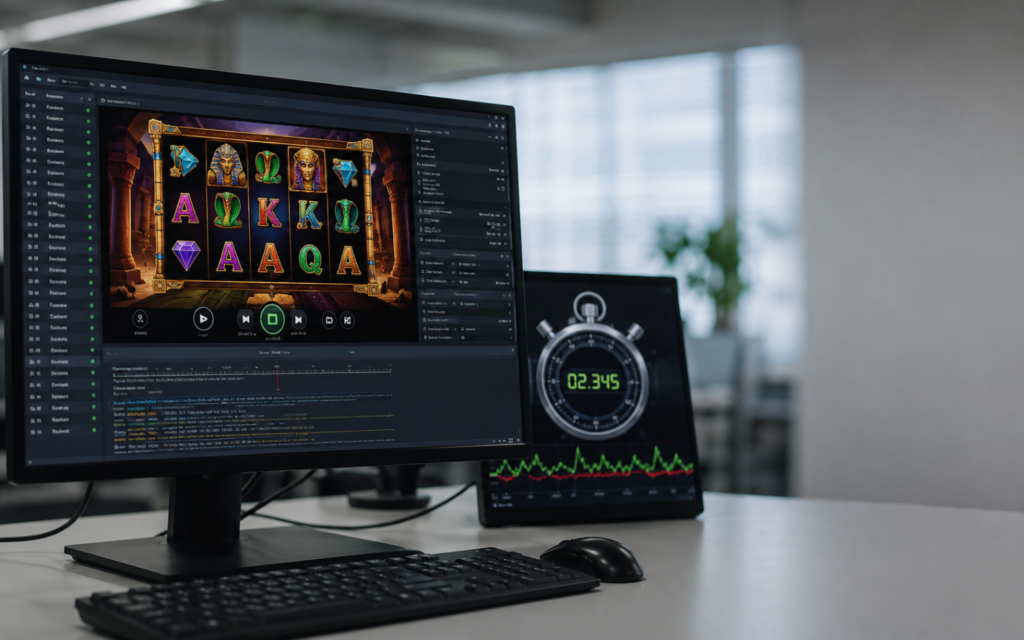
According to the regulator, the root cause was Stakelogic’s reliance on manual stopwatch testing to verify game cycle times, a method it deemed inadequate for ensuring compliance. The Commission also concluded that the company’s quality assurance, compliance controls and incident management procedures failed to meet the standards expected of licensed suppliers.
The UK introduced the 2.5-second minimum spin interval for online slots in 2021 as part of a broader package of safer gambling measures designed to reduce game intensity and slow the pace of play.
After identifying the issue, Stakelogic suspended the affected games from the British market, carried out a full review of its portfolio and introduced updated testing and compliance procedures intended to prevent similar failures in the future.
John Pierce, Director of Enforcement and Intelligence at the Gambling Commission, criticised the company’s testing approach, stating that relying on a manual stopwatch was unacceptable given the technology available to modern gambling businesses. He added that the case should serve as a reminder for all operators and suppliers to maintain robust systems capable of meeting regulatory standards.