
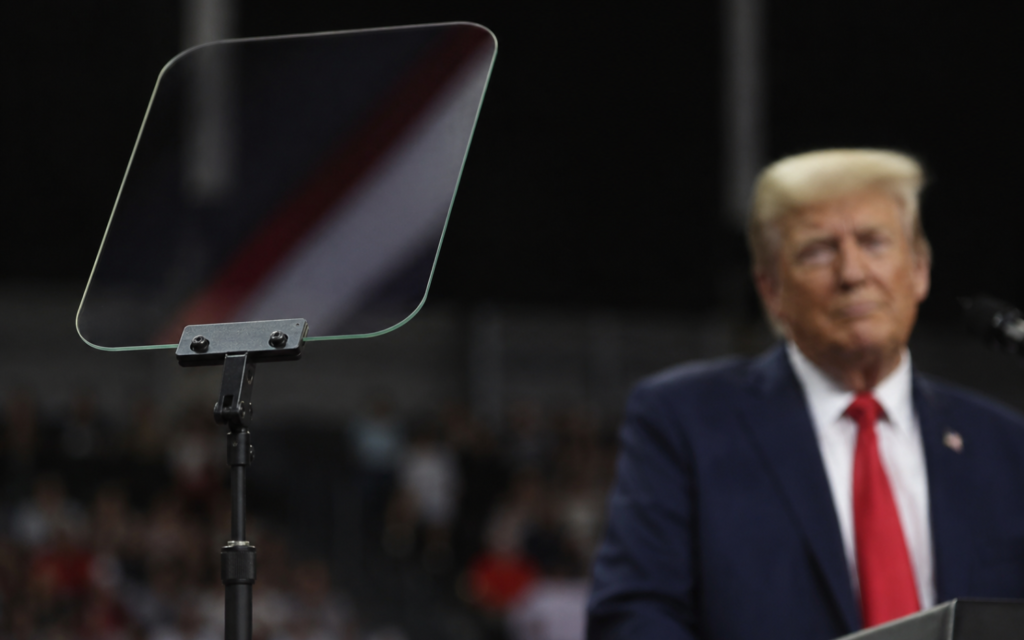
A White House staff member accused of using privileged access to profit from prediction market bets on President Donald Trump’s speeches has left government service, marking the latest development in a case that has intensified scrutiny of insider trading risks on event-based trading platforms.
According to White House officials, Gabriel Perez, who served as President Trump’s longtime teleprompter operator, is no longer employed by the federal government. Officials have not confirmed whether Perez resigned or was dismissed, but his departure follows weeks of investigation into alleged trading activity on prediction market platform Kalshi.
Federal regulators began examining the case after Kalshi’s internal surveillance systems detected suspicious trading patterns linked to markets predicting which words or phrases Trump would use during public speeches. The company referred the activity to the U.S. Commodity Futures Trading Commission (CFTC), triggering a formal investigation.
Investigators allege Perez placed wagers on more than a dozen presidential speeches, including the State of the Union address, using advance knowledge obtained through his role preparing Trump’s teleprompter. Reports indicate the trades generated more than $100,000 in profits before they were identified by Kalshi’s compliance systems. Perez has reportedly been cooperating with regulators as settlement discussions continue.
The White House has publicly condemned the alleged conduct, calling it unacceptable. Earlier this month, Perez was placed on unpaid administrative leave while authorities reviewed the matter.
The case has also prompted Kalshi to strengthen its compliance framework. The exchange, which prohibits users from trading on material non-public information obtained through their employment, has introduced additional safeguards, including mandatory employment disclosures for users participating in sensitive markets and expanded monitoring of suspicious activity.
The investigation comes as prediction markets continue to attract greater regulatory and public attention in the United States. Platforms such as Kalshi have expanded rapidly into political and current-events contracts, increasing debate over market integrity, insider information controls and the regulatory framework governing event-based trading.