
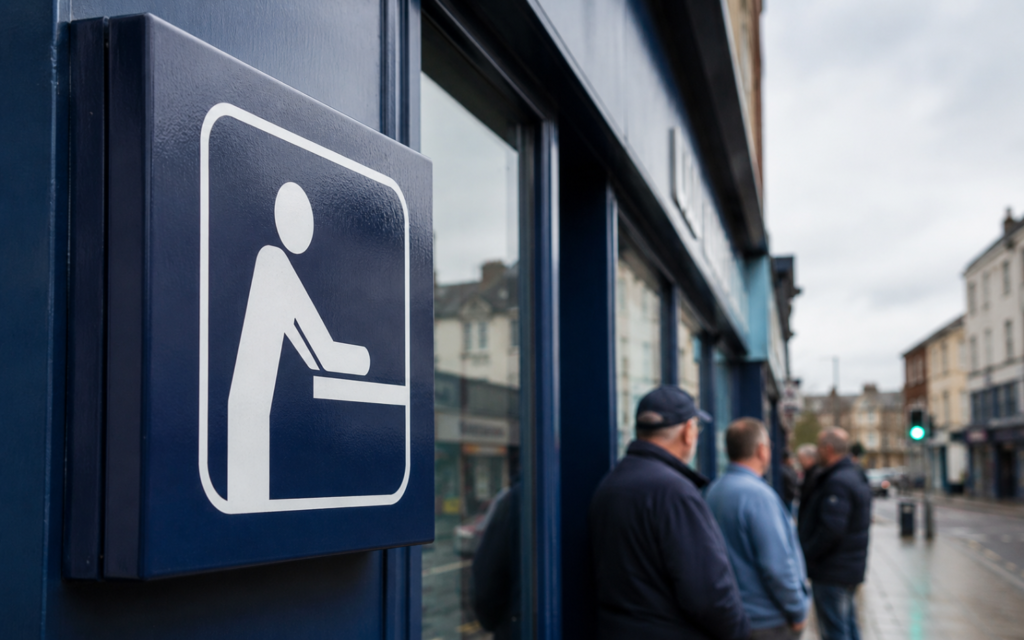
The UK government is preparing to remove the long-standing “aim to permit” principle from gambling licensing rules, giving local authorities more influence over whether new betting shops and other gambling venues should be allowed to open.
The proposal forms part of a broader package aimed at revitalising high streets and giving councils stronger powers over businesses considered unsuitable for particular areas. It comes, however, at a difficult moment for Britain’s land-based betting sector, where the number of shops has already fallen sharply in recent years.
Under the Gambling Act 2005, licensing authorities are currently expected to broadly permit gambling premises where applications meet the relevant legal requirements. Ministers now want to change that framework so councils have greater discretion when considering the local impact of new gambling venues.
The government plans to consult on the reform before introducing legislation.
Councils Could Gain More Control Over Gambling Premises
Removing “aim to permit” would represent a significant change to the way betting-shop applications are assessed.
At present, councils cannot simply reject a compliant application because they believe an area already has enough gambling venues or because local residents oppose another betting shop opening nearby.
The proposed system would give local authorities more flexibility to consider the character of individual high streets and the concentration of gambling premises in particular communities.
The government has presented the change as part of an effort to prevent town centres from becoming increasingly dominated by betting shops, adult gaming centres, vape stores and other narrowly focused businesses.
Ministers have also highlighted the concentration of some gambling premises in deprived areas. Government figures indicate that there are around 1,450 adult gaming centres across the UK, with more than half situated in the poorest 20% of neighbourhoods.
Brent in London has been cited as one example of an area with a particularly large gambling presence, with more than 80 gambling venues operating across the borough.
Adult Gaming Centres Face Separate Planning Changes
The licensing reform is only one part of the government’s planned high-street measures.
Adult gaming centres in England are also expected to require planning permission under the new approach. These venues are restricted to adults and typically contain gaming machines, including slot and fruit machines.
Some operate for extended hours or around the clock.
The government expects the new planning requirement for adult gaming centres to take effect from the beginning of 2027.
Specialist vape shops are also set to face stronger planning controls. Ministers want clearer rules to prevent businesses primarily selling vaping products from avoiding restrictions by presenting themselves as general convenience stores.
Betting shops already operate under separate planning rules in England. They are classified as a “sui generis” use rather than standard retail premises, meaning a property generally requires planning approval before being converted into a betting office.
Betting Shop Numbers Have Already Fallen Sharply
The proposed restrictions have drawn criticism from the regulated betting industry, which argues that the government’s high-street narrative does not reflect the current direction of the retail gambling market.
The Betting and Gaming Council says the number of betting shops across Britain has declined by more than one-third since 2019.
According to the trade body, approximately 3,000 shops have closed during that period, contributing to the loss of more than 15,000 jobs.
The remaining retail betting sector still supports around 37,500 jobs, according to BGC estimates.
Industry representatives argue that bookmakers should not be grouped together with illegal operators or businesses linked to organised crime. The BGC supports stronger enforcement against unlawful activity but has warned that additional restrictions on licensed operators could contribute to further closures and vacant high-street properties.
The organisation has also questioned whether limiting the development of regulated gambling venues will achieve the government’s broader objective of reviving struggling town centres.
Betfred and William Hill Cut Retail Estates
Concerns about the future of betting shops have intensified following another round of closures among major operators.
Betfred announced plans in August to shut 132 betting shops across the UK, putting more than 600 jobs at risk.
The company linked the decision to rising employment expenses, wage increases, higher gambling taxes and wider economic pressure on its operations.
Evoke, the owner of William Hill, also closed around 200 retail locations earlier in 2026.
The closures underline the challenges facing traditional betting shops as operators deal with rising costs while an increasing share of gambling activity moves online.
The BGC has repeatedly warned that higher taxation and operating expenses could accelerate the decline of physical betting estates.
Although not every recent gambling tax increase has applied directly to retail shops, major bookmakers generally operate online and land-based divisions within the same wider businesses. Increased costs across one part of an operator can therefore influence decisions on investment and shop closures elsewhere.
Wider Crackdown Targets High-Street Crime
The government’s high-street programme extends beyond gambling regulation.
Ministers also intend to increase the maximum duration of closure orders for premises suspected of being linked to organised crime.
The current six-month maximum would be doubled to 12 months, allowing authorities to keep premises closed for longer while investigations and enforcement action continue.
Councils are also expected to receive additional support during the next six months to improve shopfronts and the overall appearance of town centres.
Further measures addressing the long-term decline of UK high streets are expected as the government develops the programme.
Industry and Government Face Different High-Street Priorities
The planned removal of “aim to permit” highlights a growing divide between policymakers and the betting industry over the future of gambling premises.
The government believes local communities should have more influence over the composition of their high streets and greater power to limit concentrations of gambling businesses.
Operators, meanwhile, argue that Britain is already experiencing a sustained contraction in retail betting and that further restrictions could accelerate shop closures rather than solve wider high-street problems.
If the reform proceeds after consultation, councils would gain substantially more discretion over new gambling premises. For bookmakers, the change would introduce another hurdle at a time when physical betting estates are already shrinking under mounting financial pressure.