
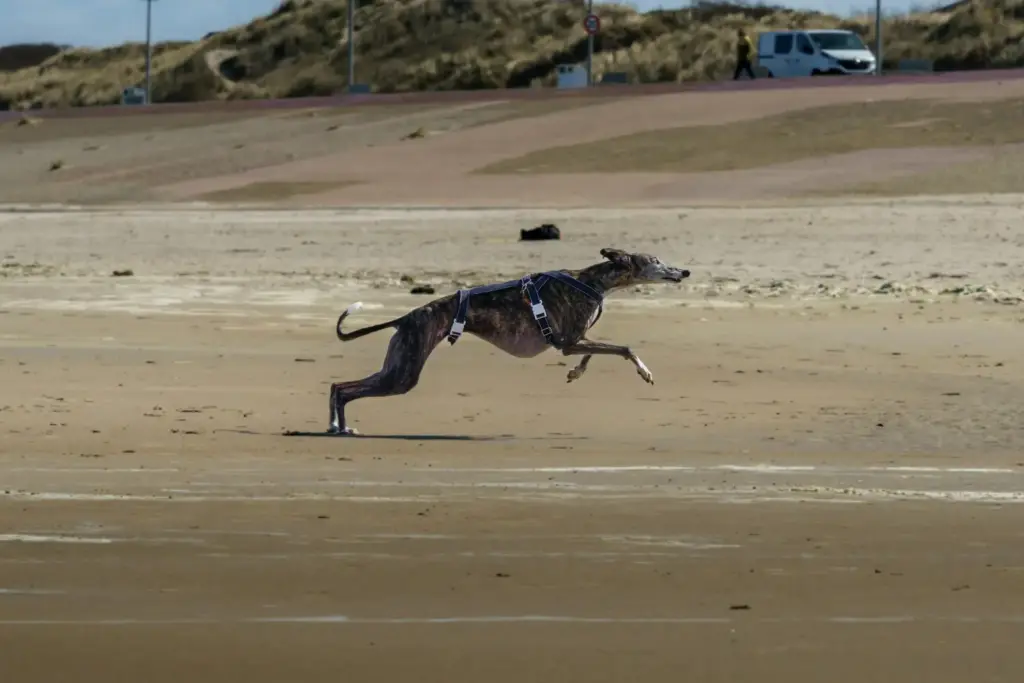
Greyhound racing in the United States could soon come to an end after lawmakers included a major anti-racing measure in the newly approved Farm, Food and National Security Act of 2026.
The legislation incorporates the Greyhound Protection Act of 2025, a proposal that would outlaw commercial greyhound racing and betting on the sport nationwide. The bill passed the US House of Representatives and now heads to the Senate, where its future will be decided.
If signed into law, the measure would amend the Animal Welfare Act and prohibit live greyhound racing, simulcast wagering, and related activities involving the breeding, transport, and training of racing dogs. Organizers and participants found violating the law could face substantial fines and prison sentences of up to seven years.
The proposal would directly impact the last two active greyhound tracks in the country, both located in West Virginia: Wheeling Island Casino Hotel Racetrack and Mardi Gras Casino & Resort. The state remains the final stronghold for live greyhound racing in the US after decades of declining tracks and mounting criticism over animal welfare concerns.
Supporters of the legislation argue that greyhound racing has become outdated and inhumane. Animal rights groups, including GREY2K USA Worldwide, welcomed the House vote and described it as a major step toward ending dog racing in America.
Opponents, however, say the federal government is overstepping by interfering in what they consider a state-regulated industry. Critics in West Virginia warned that shutting down racing could hurt local jobs and reduce revenue tied to the tracks and surrounding businesses.
Wheeling officials have repeatedly defended the industry, saying decisions about greyhound racing should remain at the state level rather than being decided in Washington.
Greyhound racing has steadily disappeared across the US over the past three decades as betting revenue fell and public opposition increased. Several states, including Florida and Oregon, have already moved to ban the sport or phase it out entirely.