
Bulgaria’s opposition We Continue the Change (PP) party is seeking tighter wording in proposed gambling advertising reforms, arguing that operators could otherwise continue promoting themselves through closely related media or “infotainment” brands.
PP Chairman Assen Vassilev raised concerns over the government’s proposed amendments to the Gambling Act, which were published for public consultation on 23 September. The consultation runs until 23 October.
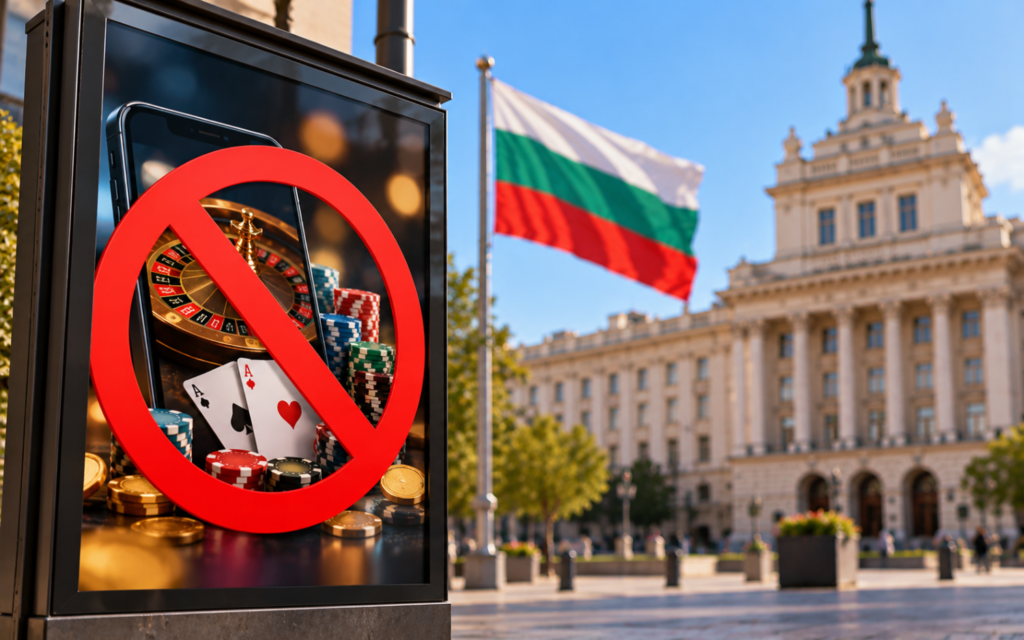
The draft would introduce a near-total prohibition on gambling marketing, extending restrictions across television, radio, print publications, outdoor advertising, websites, social networks, mobile applications and streaming platforms. It would also remove the recently created licensing framework for gambling affiliates, with existing affiliate licences expected to end from 1 January 2027 if the measures are enacted as proposed.
Vassilev targets alternative gambling branding
Vassilev’s main concern is the definition of gambling-related trademarks. He wants the legislation to cover not only operators’ registered gambling brands but also names and identities that are associated with, or closely resemble, those brands.
He cited a hypothetical example involving Bulgarian operator efbet, suggesting that a related name such as “efbetnews” could potentially allow the company to retain marketing visibility without directly advertising the gambling operation.
Similar branding strategies have appeared in European markets where gambling advertising has been heavily restricted. SBC cited Italy and Belgium, where operators or related companies have used foundation, sports-information or entertainment brands in sponsorship arrangements following advertising restrictions. Examples have included Admiralbet.news, LeoVegas.news and Betsson.sport partnerships in Italian football, while Belgium has also seen operator-linked alternative brands used in sports sponsorship.
PP is expected to seek changes either before the consultation closes or when the draft legislation reaches Bulgaria’s National Assembly.
Government proposes sweeping advertising restrictions
Under the government proposal, gambling operators would generally be prevented from advertising their games, companies, related trademarks and distinctive branding through public communication channels.
Limited exceptions would remain. Operators could provide information about gambling participation on their own websites and at licensed premises. Signage around gambling venues would also remain possible within size restrictions, including a limit of 20% of a building façade and a maximum area of 50 square metres. Permitted advertising would have to devote at least 10% of its space to a gambling-harm warning.
Sports sponsorship would remain permitted. Gambling companies could continue agreements with clubs, federations, leagues and other sports organisations, with branding allowed on equipment, venues and stadiums, except on products intended for minors. Digital gambling-brand overlays added to sports broadcasts would be prohibited under the proposal.
Current Bulgarian law already places significant restrictions on gambling advertising, including limits on radio, television, public spaces, electronic media and outdoor advertising. Outdoor advertising providers may currently allocate no more than 5% of their total advertising space to gambling promotions, while permitted advertisements must comply with specific content and responsible-gambling requirements.
Vassilev has also called for stricter rules governing gambling branding at outdoor sports facilities. In addition, he suggested Bulgaria consider measures involving banks and payment-card providers to restrict transactions with unlicensed online gambling websites.
The Ministry of Finance has not yet finalised the amendments. The proposal remains under consultation, meaning its provisions can still be changed before being submitted for parliamentary consideration.