
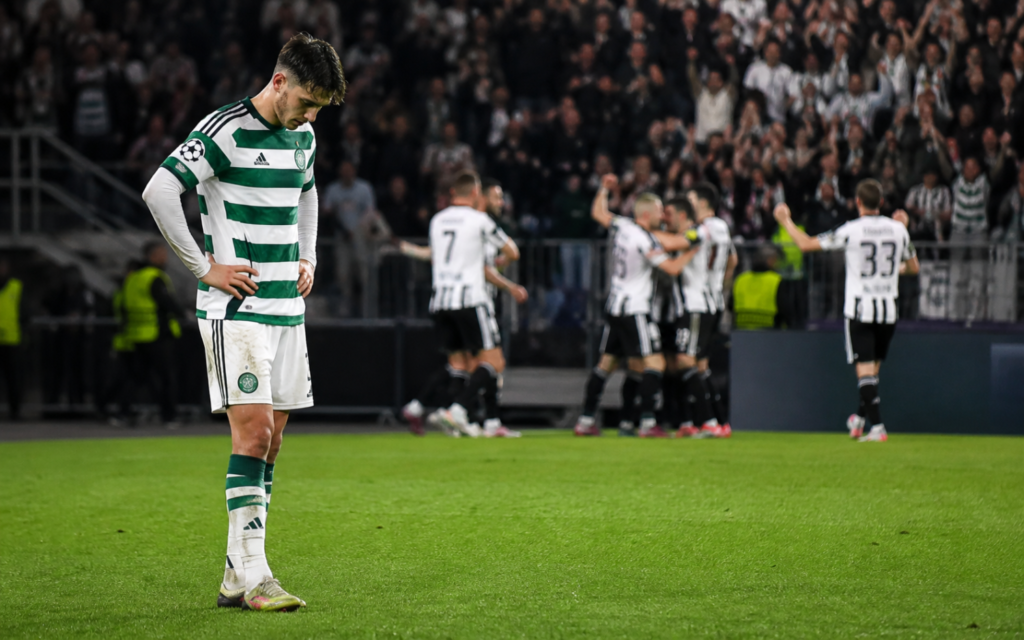
Celtic suffered a devastating Champions League exit in Austria after surrendering a commanding aggregate advantage against LASK, leaving manager Martin O’Neill to accept responsibility for one of the club’s most painful European defeats.
The Scottish champions arrived at the Raiffeisen Arena holding a four-goal aggregate cushion, but their position unravelled dramatically after half-time. LASK forced the tie into extra time before completing a remarkable turnaround to win 5-4 on aggregate.
The result carries echoes of Celtic’s elimination by Kairat Almaty on penalties at the same qualifying stage last season, although O’Neill was not in charge for that setback.
This latest defeat is particularly damaging because Celtic appeared to have the tie under control. Their second-half performance offered little resistance as LASK built momentum, while the visitors struggled to regain composure once the match began to swing against them.
O’Neill accepted that his team had failed badly and acknowledged that Celtic remain some distance from the level required to compete consistently in Europe.
The 74-year-old returned to steady the club following Brendan Rodgers’ departure and later helped Celtic recover from the short-lived Wilfried Nancy period. His side went on to secure another Scottish league title and lift the Scottish Cup.
The new campaign had also started positively, making the scale of the collapse in Austria even more unexpected.
Beyond the immediate disappointment, elimination will have significant consequences for Celtic’s plans during the closing stages of the transfer window. Qualification for the Champions League would have delivered a substantial financial boost while also strengthening the club’s appeal to potential signings.
Without that revenue and the prospect of playing in Europe’s leading club competition, Celtic may now have to reassess parts of their recruitment strategy.
O’Neill said before the decisive leg that Champions League football could help persuade players to move to Glasgow. Following the defeat, he conceded that advantage has disappeared.
Celtic must now recover quickly from the setback and redirect their focus toward domestic competition and their remaining European commitments, while O’Neill faces the immediate challenge of rebuilding confidence after a collapse that could shape the early part of their season.