
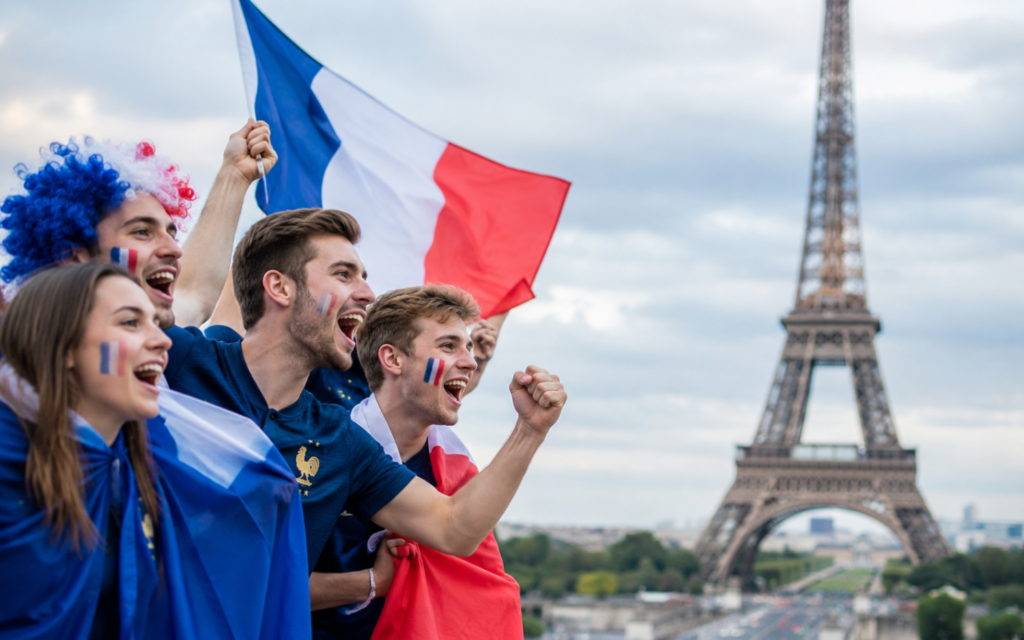
France’s gambling regulator, the Autorité Nationale des Jeux (ANJ), has launched a new public awareness campaign ahead of the 2026 FIFA World Cup after research showed a sharp rise in betting intentions among football fans. The initiative is designed to highlight the risks associated with sports wagering, particularly among younger audiences and occasional bettors.
According to a survey conducted by Harris Interactive, 41% of people planning to watch the World Cup also expect to place bets during the tournament. Interest in betting is particularly strong among men and younger adults, with more than half of respondents aged 25 to 34 indicating they intend to wager on matches.
The regulator believes the expanded 2026 World Cup schedule could further increase gambling activity. ANJ estimates that betting turnover on the tournament could reach around €1.2 billion, significantly higher than the more than €900 million generated during the 2022 World Cup across online and retail channels.
ANJ President Isabelle Falque-Pierrotin described the World Cup as a “risk zone” due to the combination of increased betting opportunities, heavy advertising exposure and the vulnerability of younger consumers. The regulator warned that major sporting events often attract new bettors who may underestimate the risks associated with gambling.
The campaign forms part of a broader effort by the regulator to curb excessive gambling and prevent overexposure to betting promotions during the tournament. Earlier this year, the ANJ also called on operators to keep marketing spending within approved limits as advertising budgets linked to the World Cup continue to rise.
With the World Cup set to take place across the United States, Canada and Mexico, French authorities are aiming to ensure that football fans enjoy the tournament without falling into harmful betting habits, while reminding consumers that gambling should remain a form of entertainment rather than a source of financial risk.